Materials for children
Everyday school materials distributed through a locally accountable process designed to place them directly into children’s hands.
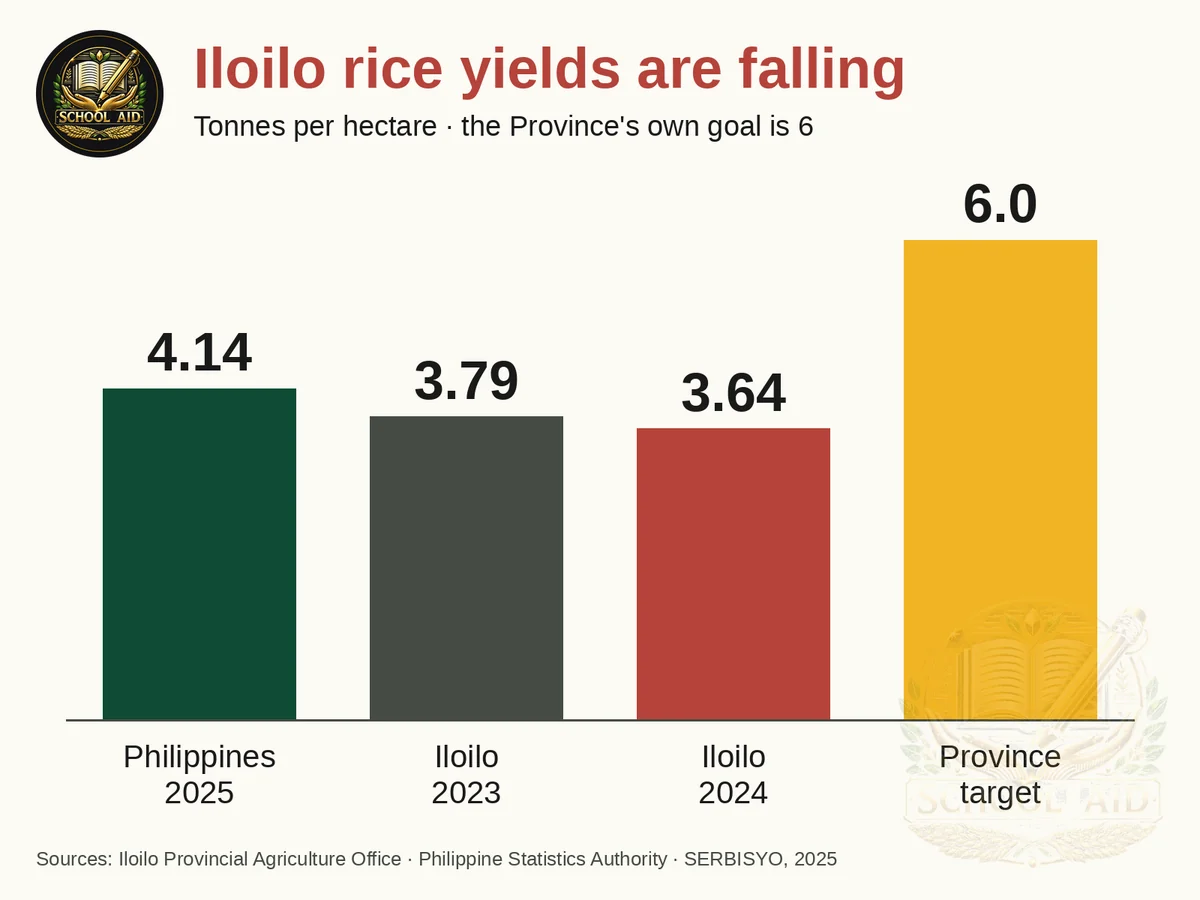
Dry spells and heavy rainfall threaten rice harvests and farming livelihoods in Iloilo, where malnutrition remains a serious concern.
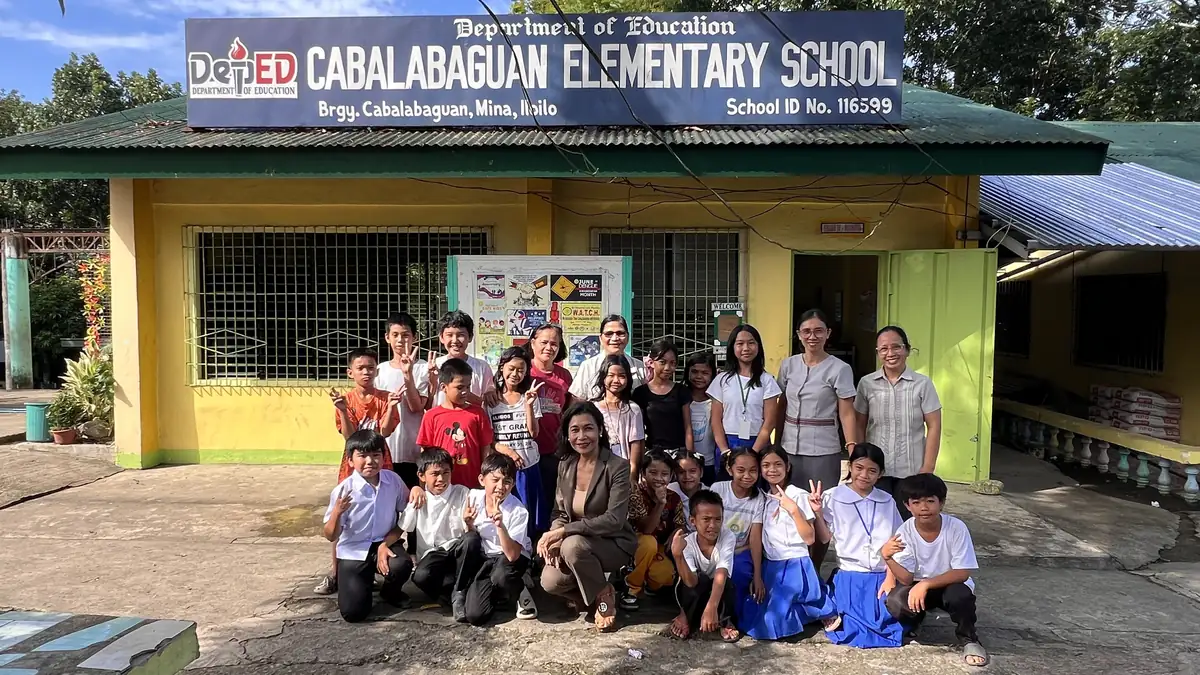
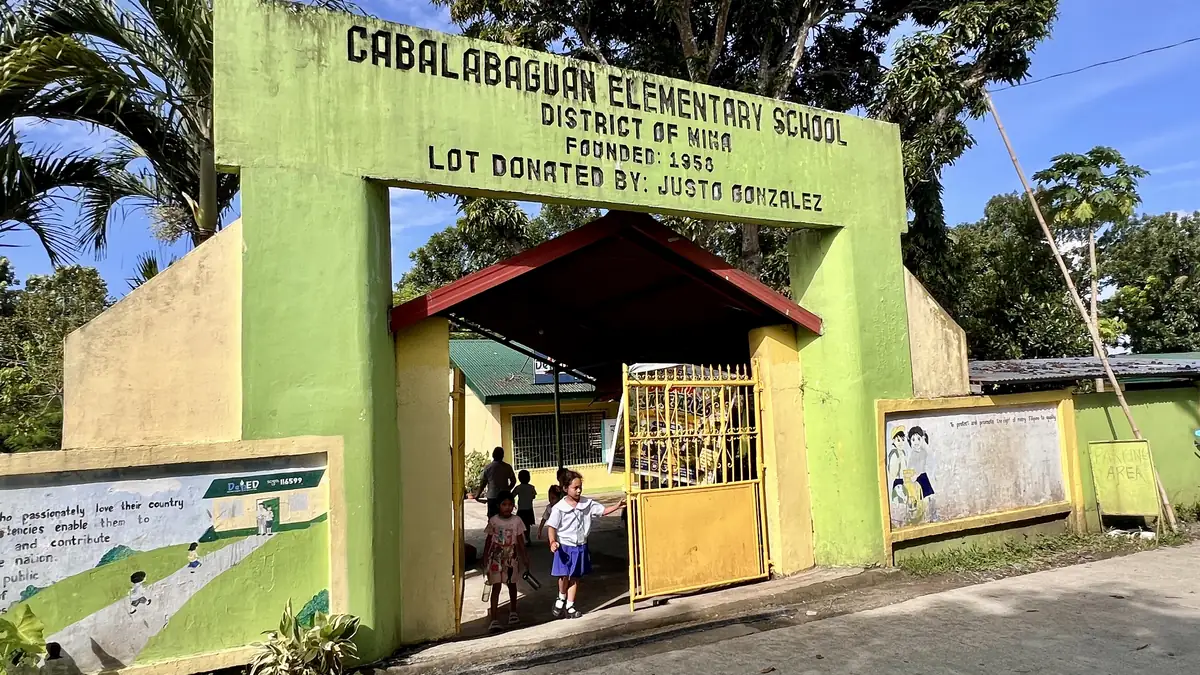
Help women farmers build practical skills to adapt and support their families, and help their children learn. Our Bayanihan programme starts in Cabalabaguan, Mina.
€34,312 for Cabalabaguan first. €171,559 for the full five-barangay programme, delivered in phases.
Programme status: school and community assessment completed in August 2026. We are raising funds for Cabalabaguan first. Equipment and laptop training will take place at the primary schools; women’s courses will be held at Mina TESDA Center. Delivery has not yet taken place. Read the visit account.
School Aid’s Philippines programme begins with the everyday things children need to learn—and a practical route towards solar-supported digital access.
Essential school materials will be distributed through an agreed local process that places them directly into children’s hands. Alongside this work, School Aid is raising funds for a solar battery-backup and inverter system and six laptops for each participating barangay.
Cabalabaguan is the first fundraising phase. Abat, Agmanaphao, Bangac and Nasirum form the remaining four locations in the wider programme.
A difficult harvest can leave farming families uncertain about food and income. Malnutrition remains a serious concern in Iloilo. Our response is practical education that helps women farmers build skills and gives children better access to learning.
Fifty women farmers in the first programme will receive practical livelihood education at Mina TESDA Center, including introductory soil care, water conservation and climate adaptation.
Solar battery backup can help keep learning equipment available where electricity is unreliable. Laptops can then provide a foundation for carefully selected educational resources.
Nothing will be installed without local agreement on where it will be kept, who will be responsible for it and how children will be able to use it.
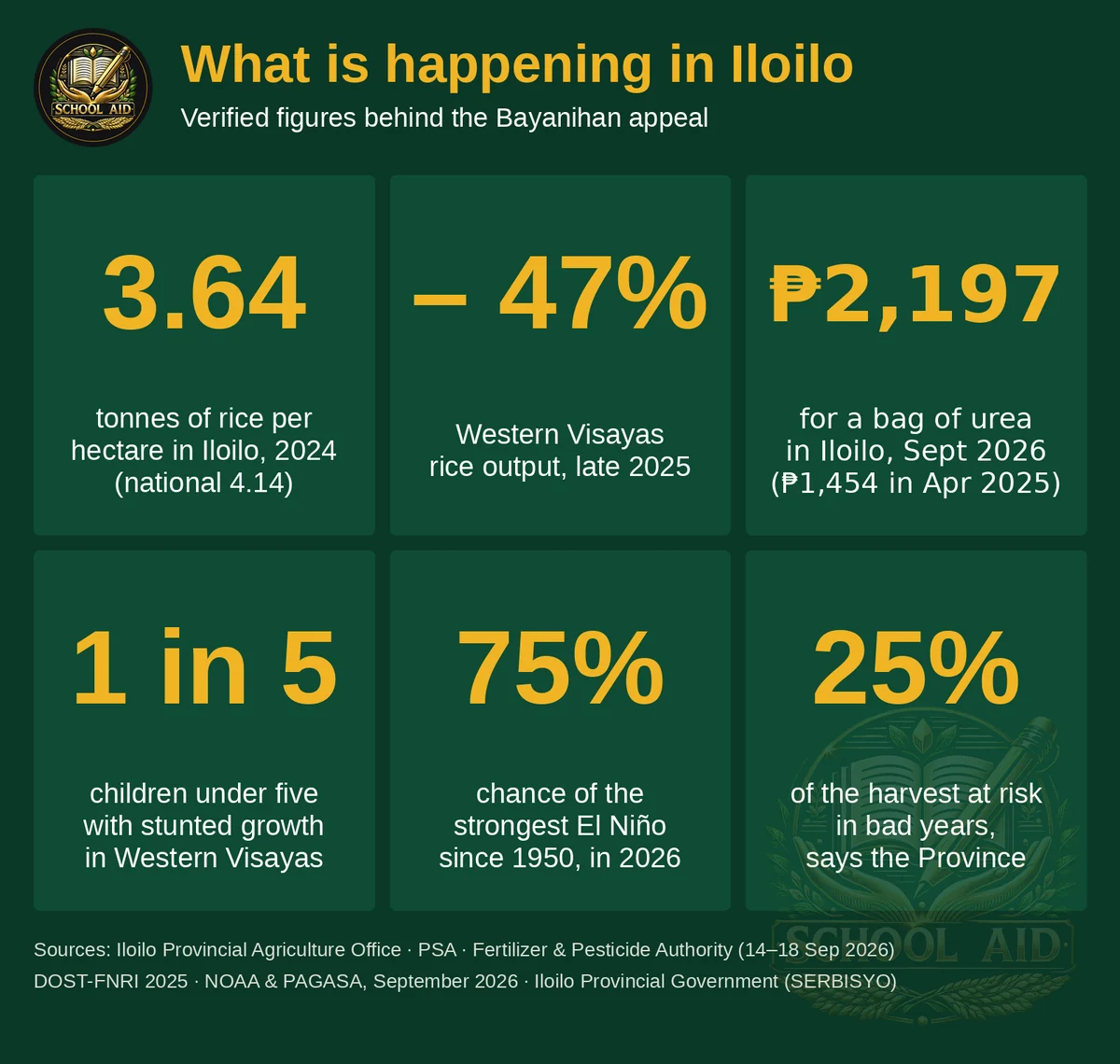
Verified figures behind the Bayanihan appeal, with their sources.
Everyday school materials distributed through a locally accountable process designed to place them directly into children’s hands.
School Aid works with barangay leadership and school communities to confirm needs, delivery arrangements and responsible stewardship before each stage.
One solar battery-backup and inverter system and six laptops planned for each participating barangay, subject to funding and final local agreements.
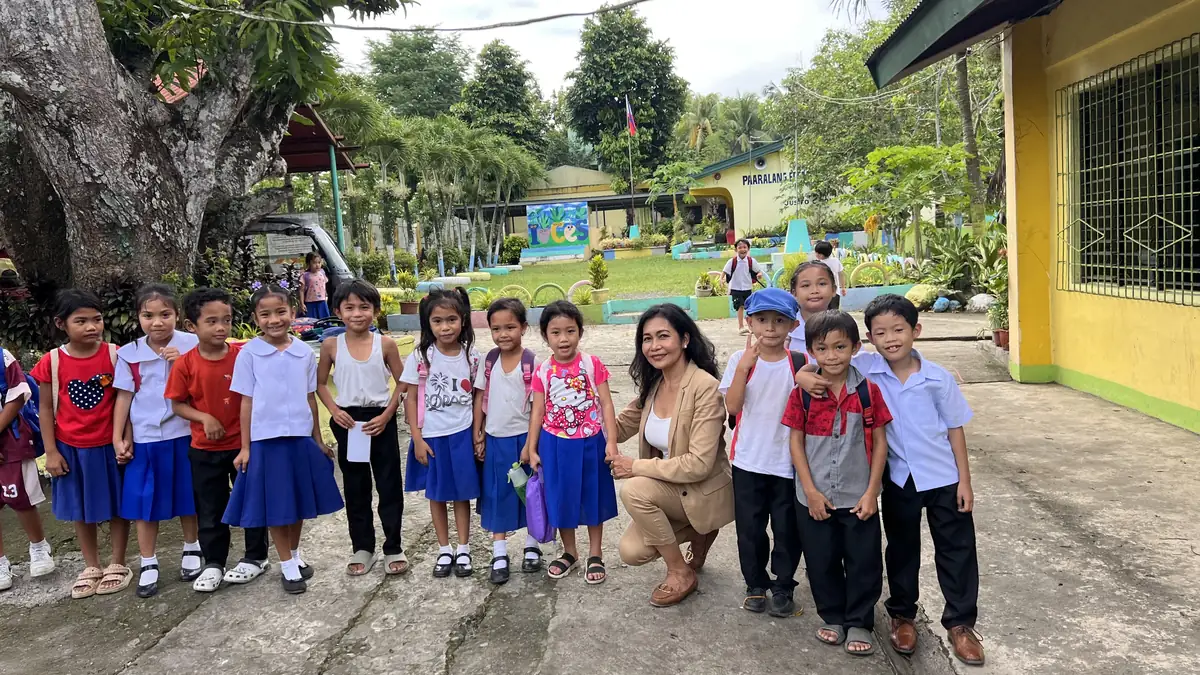
Maribeth de Montaigne spent one week in Iloilo visiting schools and confirming the outline of the first phase with barangay representatives and the Mayor of Mina.
Read the visit story →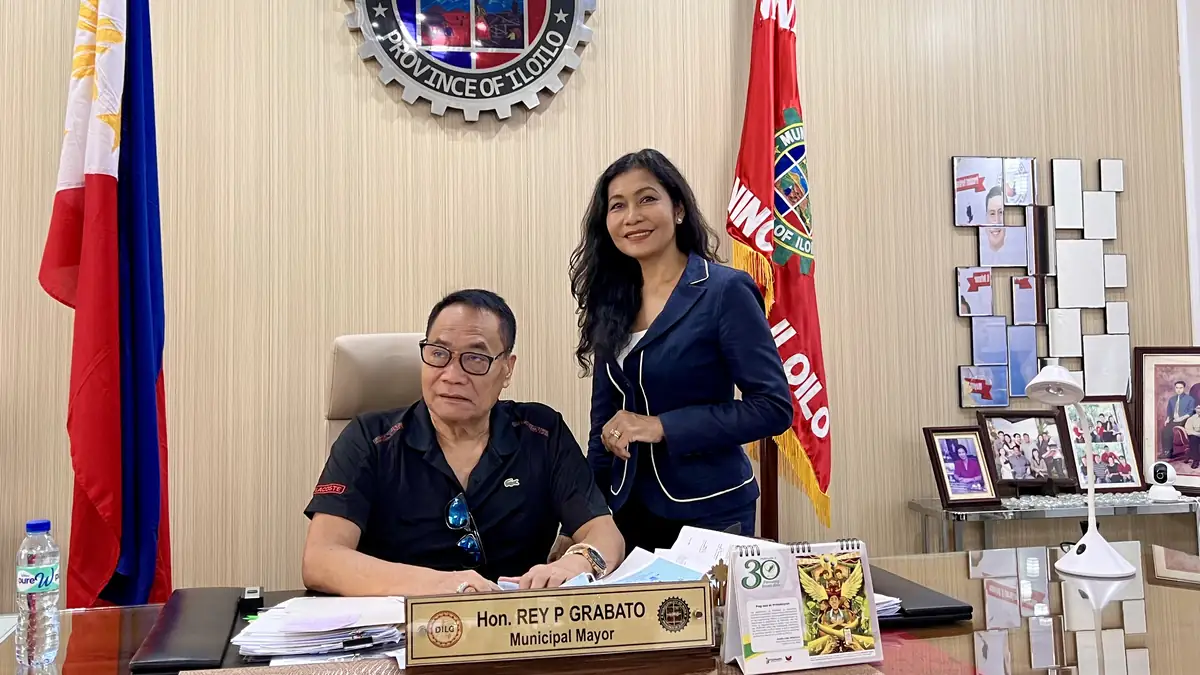
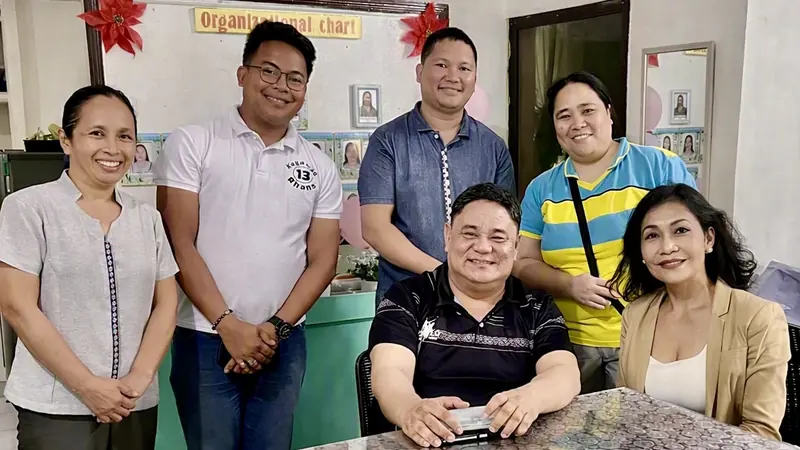
Bayanihan is being planned with the Municipality of Mina, Iloilo, under Mayor Rey P. Grabato, and with the Barangay of Cabalabaguan under Barangay Captain Eve Eden.
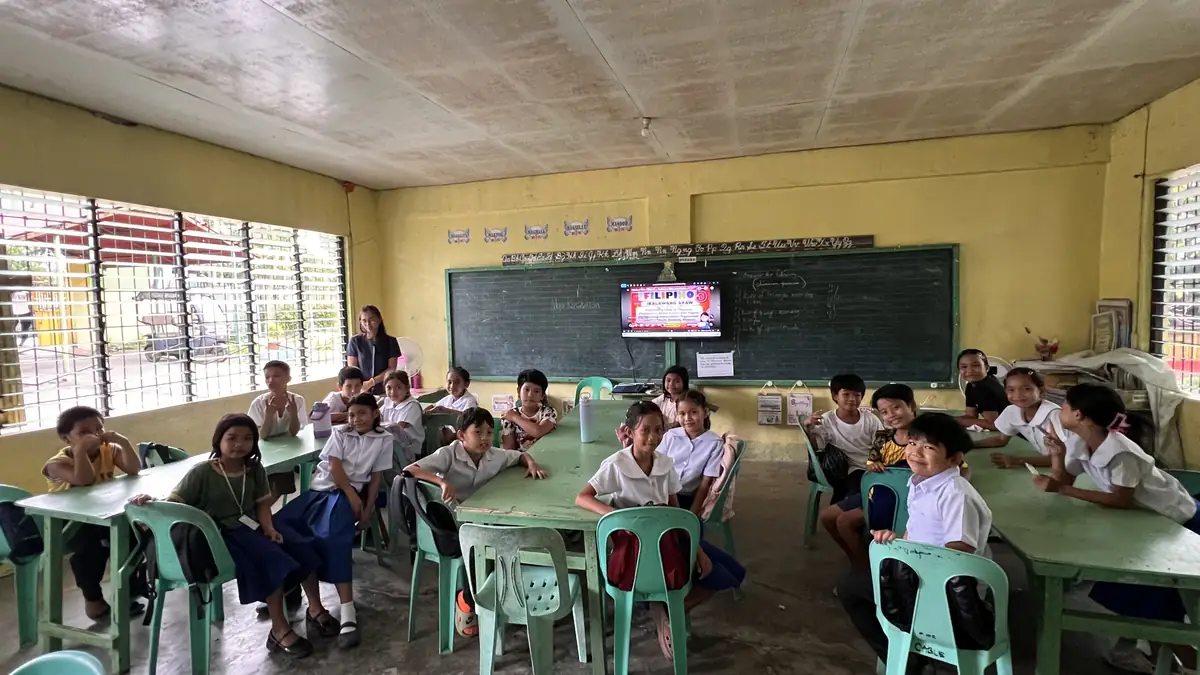
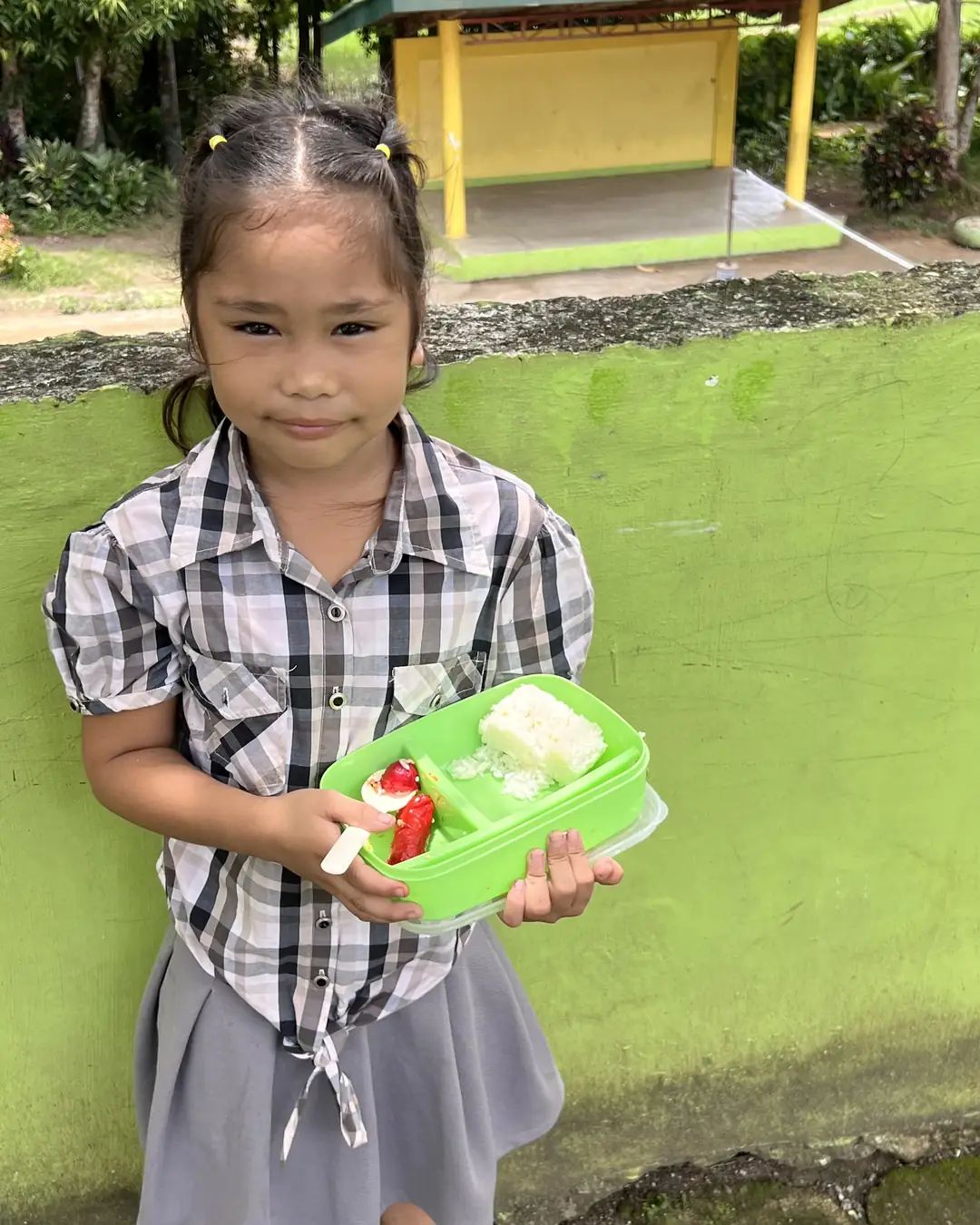
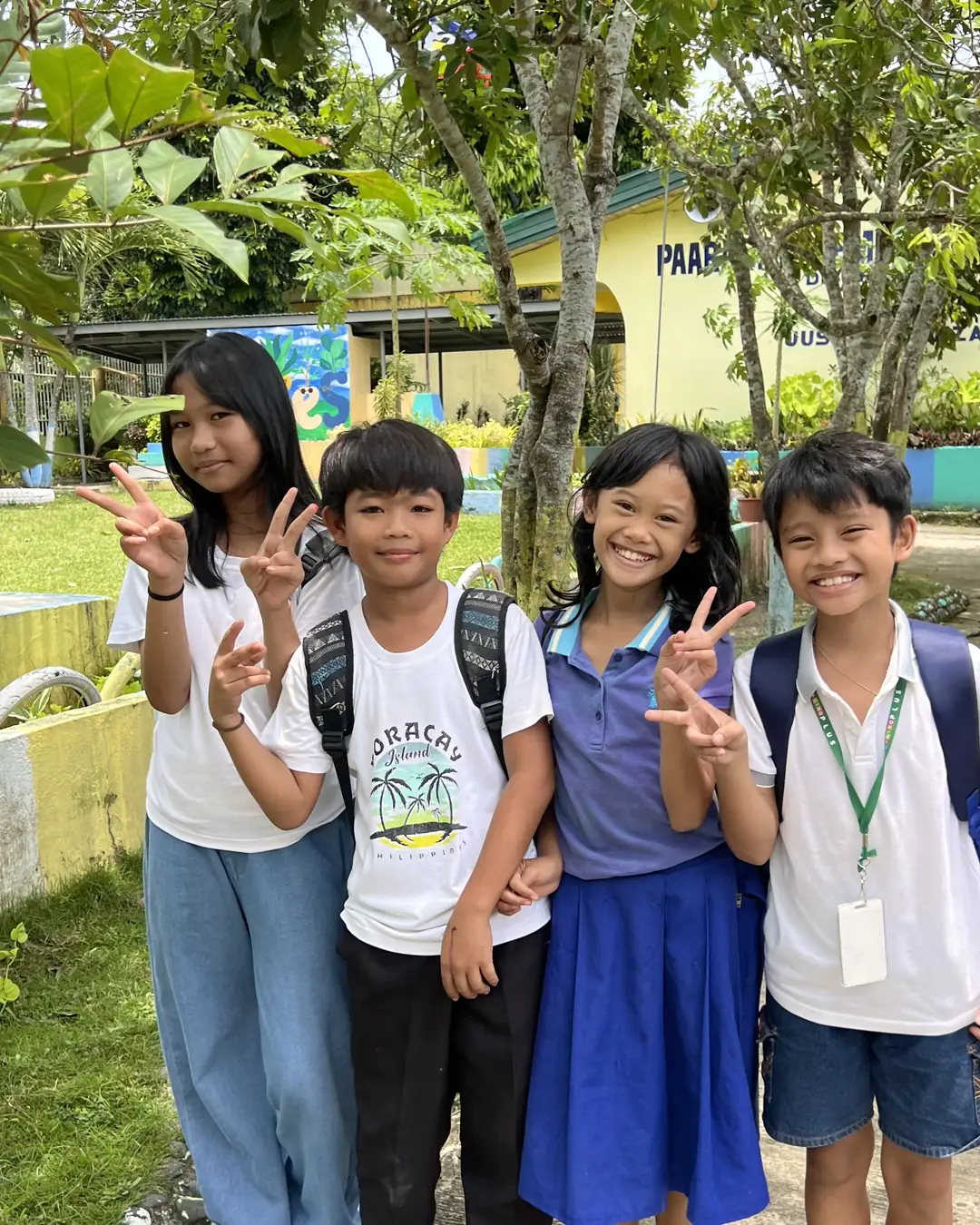
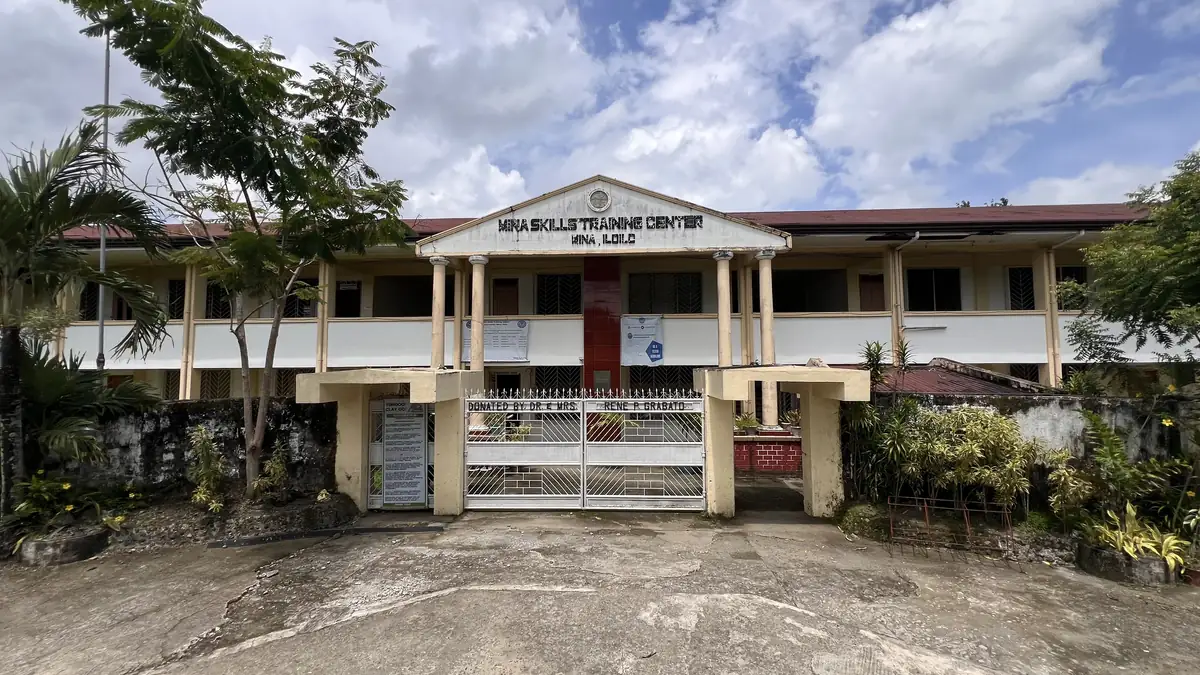
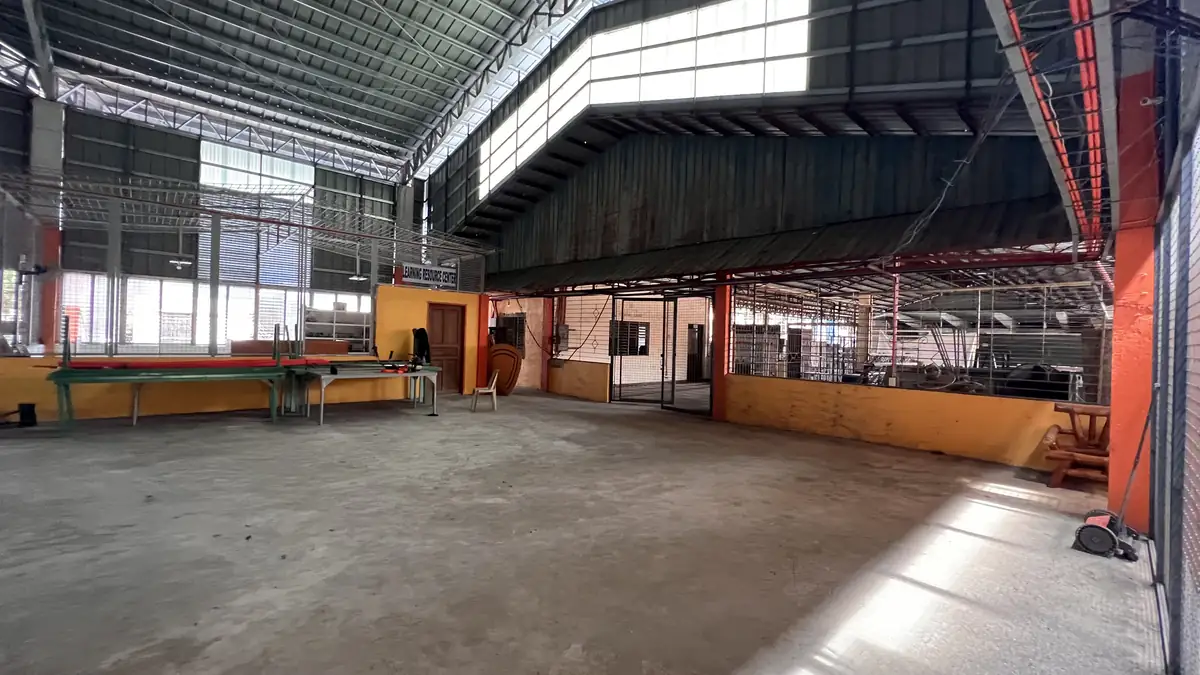
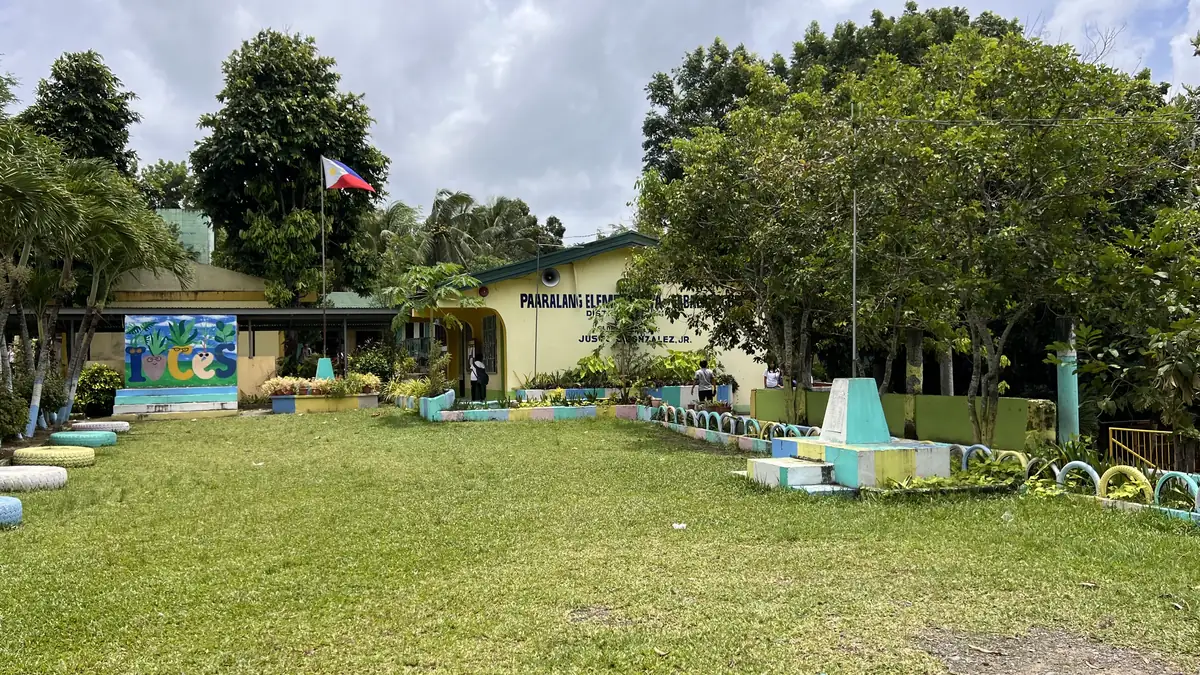
Chosen with barangay representatives and the Mayor of Mina during the August 2026 visit. The map below shows all 22 barangays of the municipality, with the five programme barangays marked. Cabalabaguan comes first.
Every pin below is a barangay of Mina. The five gold stars are the Bayanihan programme’s wider programme — tap one to see what’s planned there.
The interactive map couldn’t load. Read the August 2026 visit account instead.
Help raise €34,312 for Cabalabaguan: six laptops, solar backup, school materials and onsite training, alongside practical education for fifty women farmers at Mina TESDA Center.
Governance and related interests
Cabalabaguan first: €34,312.
Full programme across five barangays: €171,559.
Targets use the approved planning budgets and allow for payment and platform charges estimated at 6% of gross donations. Actual charges will be reported. Programme costs remain researched estimates until purchases and delivery arrangements are finalised.
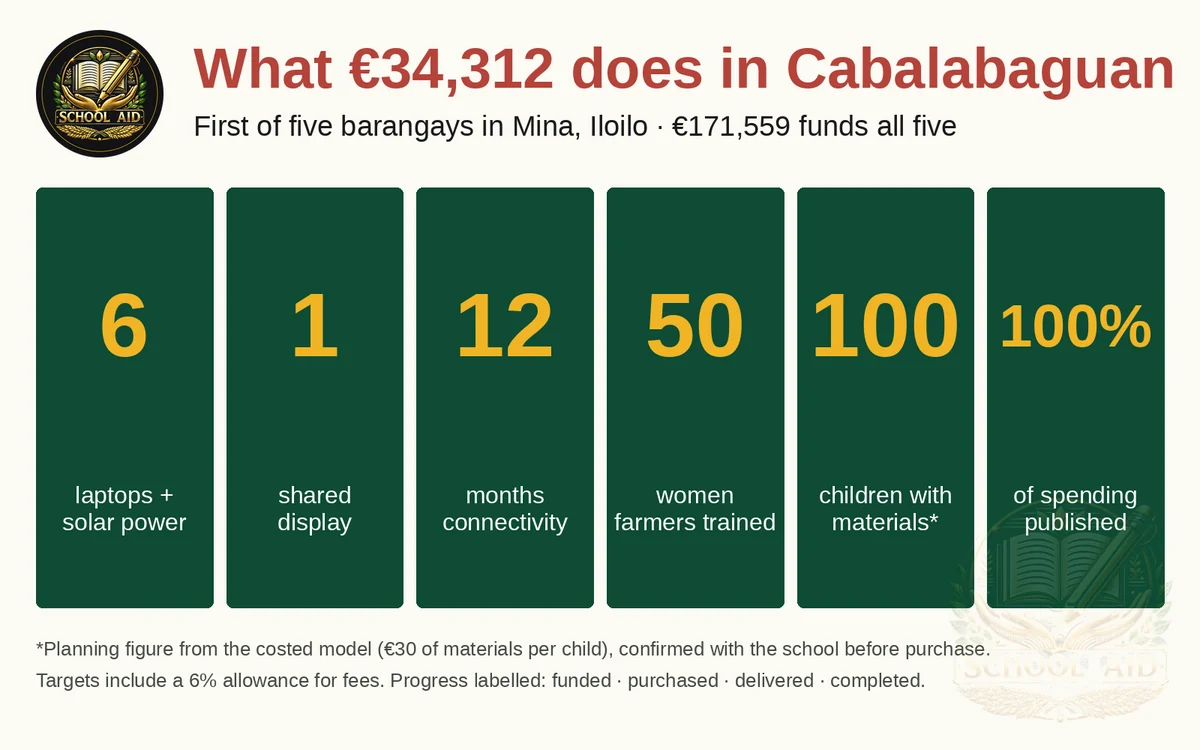
Every gift counts. €10 helps buy school supplies for a child; €60 covers a child’s learning materials for a year; €320 funds training for one woman farmer; €1,600 trains five women farmers.
Larger gifts fund whole parts of the programme, and the community has invited us to recognise them: a solar learning station in your name (€2,000), the women farmers’ programme (€16,100) or the digital classroom (€18,200). Donors who fund the digital classroom or the whole first barangay (€34,312) are invited to visit Cabalabaguan, with travel and accommodation at their own cost and risk. Visits are arranged in advance and follow our safeguarding rules.
Every amount is the full delivered cost — purchase, transport to the village, installation, local coordination and payment fees. Any unspent contingency goes to the next location. For gifts of €10,000 or more, or to discuss naming or a visit, email david@school-aid.eu.
We will report funds received, actual fees, spending, equipment delivered and training activities. Completed work will be distinguished from work still planned.
100% of our spending will be published, with progress labelled funded · purchased · delivered · completed.
Help fund CabalabaguanA one-minute film on how School Aid began and what we do, in Morocco and the Philippines. It opens on YouTube, where you can see all our films.