Reliable power
Solar panels, batteries and inverter systems sized to provide dependable electricity where grid supply is limited.
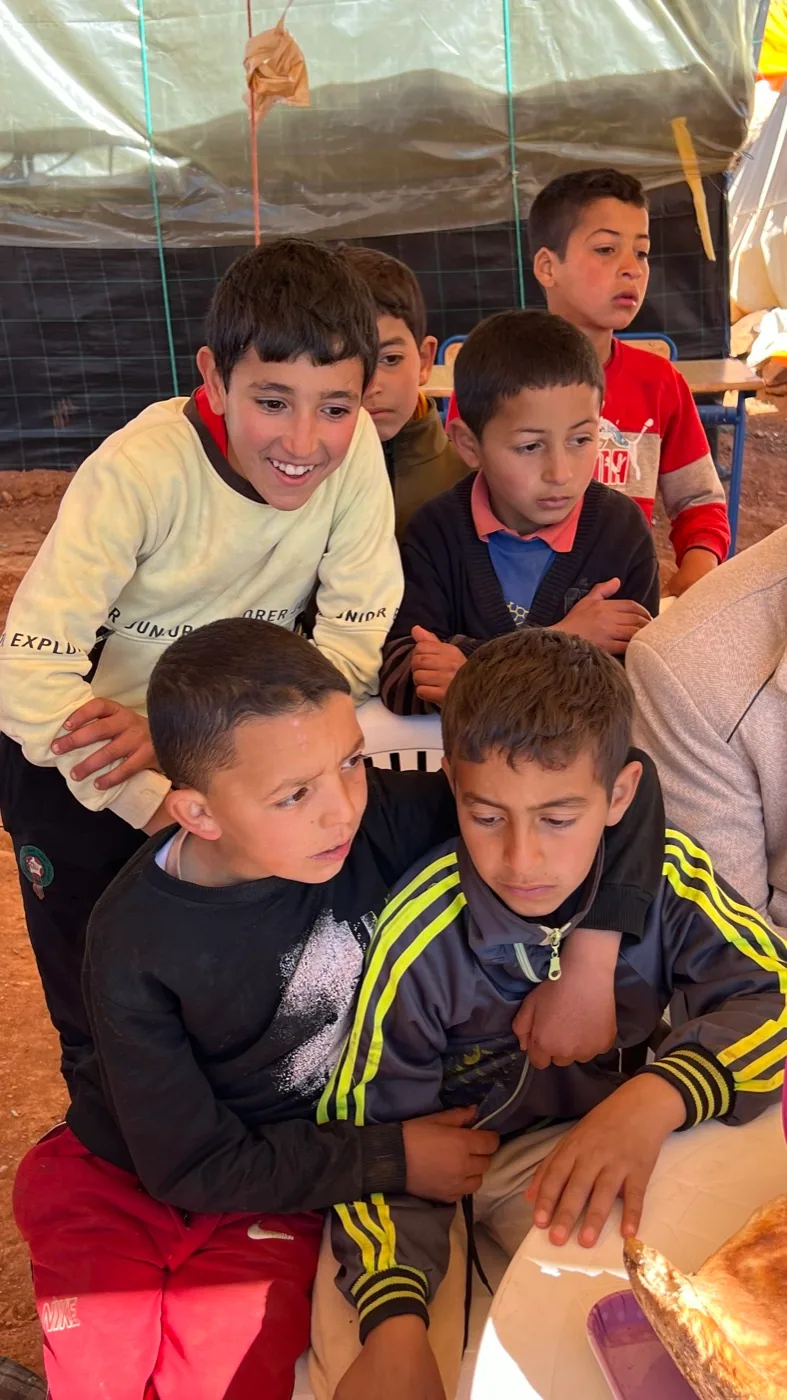
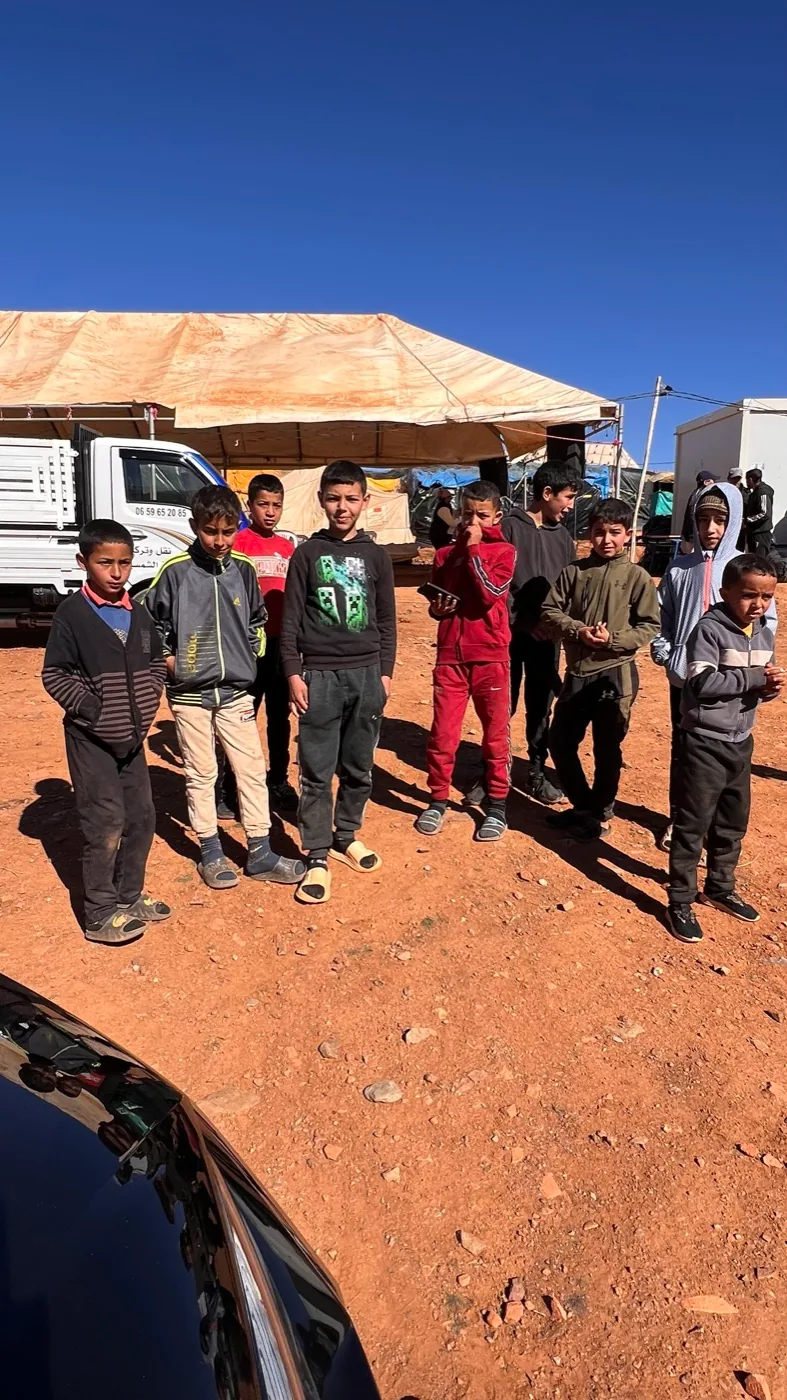
School Aid returned with further supplies—and to plan the next stage with the people who would use, protect and manage it.
School Aid’s January 2025 visit continued the practical work established during the earlier missions. Essential school materials were handed directly to children, while bulk supplies were entrusted to families and recognised community representatives for placement in local schools.
The return also allowed David and Maribeth de Montaigne to deepen their relationships with community leaders, parents and families. Time was spent discussing what children needed beyond pens, paper and bags—and how a reliable digital learning system could operate in the daily life of a remote community in the High Atlas Mountains.
School Aid explored these questions with people in the communities and drew upon the experiences of NGOs working in the area.
The objective is not simply to deliver hardware. It is to establish a practical learning system the community understands, values and can sustain.
Solar panels, batteries and inverter systems sized to provide dependable electricity where grid supply is limited.
Laptops, shared display screens and appropriate educational and facilitating software.
Secure storage, fair access, named responsibility, maintenance planning and protection of the equipment’s educational purpose.
The emerging principle was straightforward: equipment should not simply be delivered and left behind. It should be placed under responsible community stewardship, made available for school use and managed by locally appointed representatives with the involvement of parents.
The precise recipient and governance arrangement will be agreed with each participating community before installation. This may involve the appropriate commune, a recognised community body or a registered local association.
The January mission continued practical support for children while jointly preparing the foundations for sustainable, solar-powered digital learning.
School Aid intends to extend the community-led model carefully to further schools and communities across Morocco.